
ESMA Launches Free Primary Healthcare Programme at Hiawoanwu
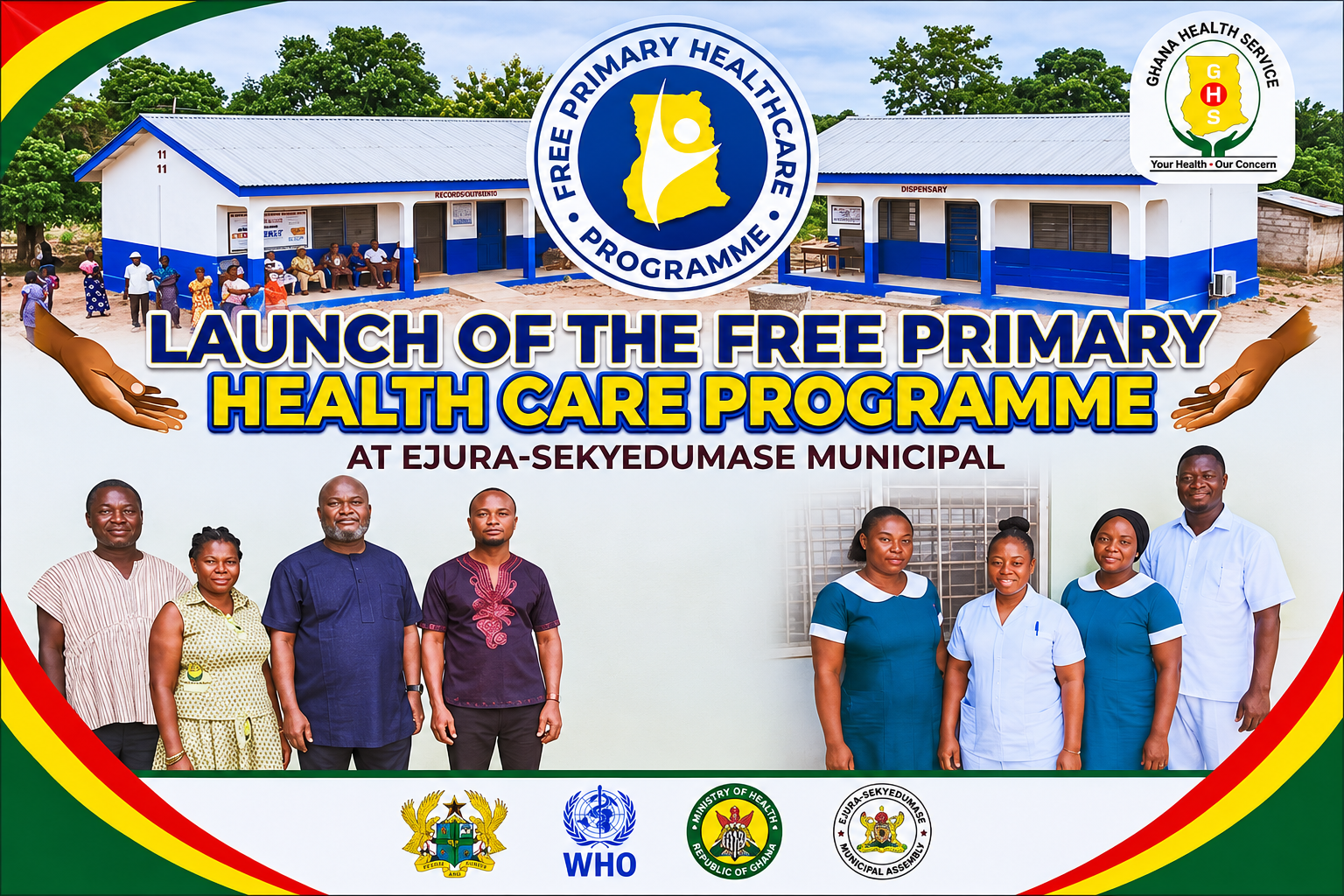
 The Ejura-Sekyedumase Municipal Assembly has officially launched the Government of Ghana’s Free Primary Healthcare (FPHC) Programme, popularly known as “Mahama Cares” at the forecourt of the Hiawoanwu Community-based Health Planning and Services (CHPS) Compound on Thursday, 11th June 2026.
The launch marks a significant step in the efforts of the municipality to improve access to essential healthcare, promote preventive care and reduce financial barriers to timely medical attention. It forms part of H.E. President John Dramani Mahama’s broader healthcare reform agenda to bring quality healthcare closer to Ghanaians, particularly those in underserved and hard-to-reach communities.
The Free Primary Healthcare Programme was officially launched by H.E. President John Dramani Mahama on 15 April 2026 at Dodowa in the Greater Accra Region, with an initial rollout in 150 underserved districts and nationwide coverage targeted by 2028.
The initiative seeks to address barriers to basic healthcare, including high costs, late diagnosis and inadequate preventive screening, by shifting emphasis from treatment to prevention, early detection and timely intervention.
It provides free essential primary healthcare services, including screening for hypertension and diabetes, maternal and child healthcare, immunisation, family planning, and the treatment of common illnesses such as malaria and respiratory infections. The programme also promotes health education, antenatal and postnatal care, and community outreach. Every Ghanaian is expected to be entitled to one basic health screening annually.
The programme complements, rather than replaces, the National Health Insurance Scheme (NHIS), which remains important for referrals and specialised care beyond the primary healthcare level.
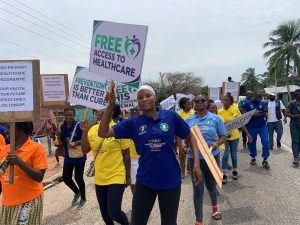 The municipal launch commenced with a health awareness float through the principal streets of Hiawoanwu, bringing together personnel from the Ghana Health Service (GHS), National Health Insurance Authority (NHIA), Ghana Ambulance Service, Heads of Department, Assembly Members, opinion leaders and members of the general public.
The procession served as an avenue to sensitise residents about the initiative, generate public interest and encourage community participation in the programme.
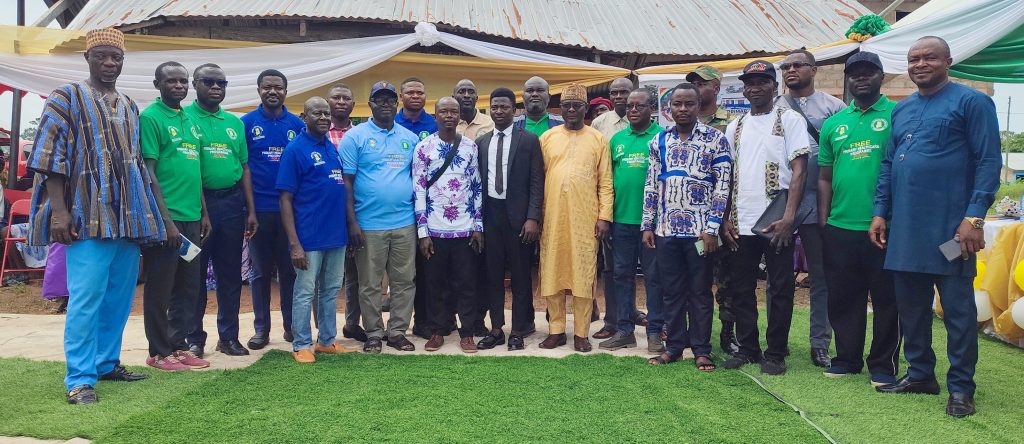
The ceremony attracted a large gathering of community members and stakeholders from Hiawoanwu and surrounding communities. Among those present were the Zongo community leaders, traditional authorities, management and staff of the Municipal Assembly.
The event was graced by the Municipal Chief Executive, Hon. Rafiu Seidu Adam, alongside the Municipal Coordinating Director, Mr. John Adongo and other distinguished guests.
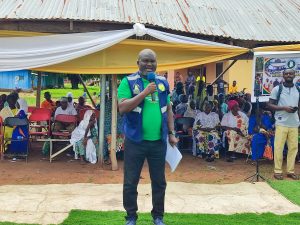 In his opening remarks, the Municipal Health Director, Mr. Courage Anku, commended the Hon. Municipal Chief Executive and the Hon. Member of Parliament for helping secure the municipality’s inclusion among the six selected districts in the Ashanti Region to benefit from the Free Primary Healthcare Programme.
He also acknowledged H.E. President John Dramani Mahama’s commitment to improving healthcare access and affordability.
Mr. Anku emphasised that the programme was genuinely free and urged residents, particularly older persons, pregnant women, children and other vulnerable groups, to take full advantage of services available to them.
He stressed that the programme was open to everyone without discrimination and encouraged regular health screenings and prompt medical attention, irrespective of one’s financial or social status.
Addressing the gathering, the Municipal Chief Executive, Hon. Rafiu Seidu Adam, described the Free Primary Healthcare Programme as a people-centred government initiative under H.E. President John Dramani Mahama to bring essential healthcare services closer to citizens.
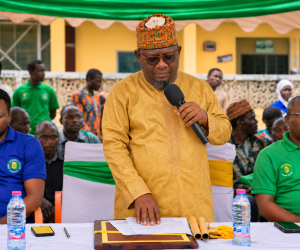 He stressed that healthcare is a fundamental necessity, not a privilege reserved for those who can afford it.
He also noted that, the programme seeks to reduce financial barriers, promote preventive care and improve access to essential services.
The Hon. MCE reaffirmed the Assembly’s commitment to complementing the initiative through improved healthcare infrastructure.
He announced plans to construct five additional CHPS compounds in the municipality during the year to expand access and strengthen community-level healthcare, with completion targeted within the year, subject to resource availability and other implementation requirements.
He urged residents to embrace the programme, cooperate with healthcare personnel and take greater responsibility for their personal and family health.
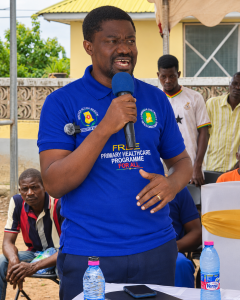 The Municipal Health Superintendent, Dr. Emmanuel Amoah, highlighted the programme’s importance in addressing healthcare access challenges, particularly the financial burden on individuals and families.
He explained that although the National Health Insurance Scheme has improved access to healthcare, some services and related costs remain uncovered.
The Free Primary Healthcare Programme therefore offers an opportunity to expand access to essential services, reduce out-of-pocket expenses and encourage timely medical attention.
Dr. Amoah noted that financial constraints often prevent people from undertaking routine health checks or seeking early treatment, allowing manageable conditions to develop into serious complications.
He emphasised that the programme would promote routine screening, early diagnosis and timely treatment, particularly for conditions such as hypertension and diabetes.
He urged residents to embrace the initiative, stressing that preventive care and early intervention are essential to improving health outcomes and reducing avoidable complications.
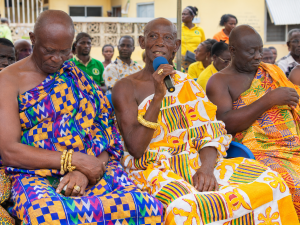 The traditional authorities and community leaders commended the Government, the Hon. Municipal Chief Executive and the Hon. Member of Parliament for extending the initiative to the Municipality, particularly Hiawoanwu, the host community.
They also urged residents to utilise the services and seek prompt medical attention when necessary.
They expressed hope that the programme would reduce preventable maternal deaths, improve maternal and child healthcare and address other health challenges.
The traditional authorities also reaffirmed their commitment to supporting public health initiatives and mobilising residents to participate actively in improving healthcare delivery.
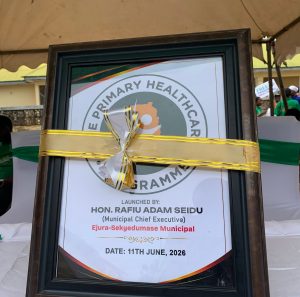
In recognition of his contribution and support towards bringing the initiative to the Municipality, the Hon. Municipal Chief Executive was presented with a commemorative plaque by representatives of the Ghana Health Service and the traditional authorities.
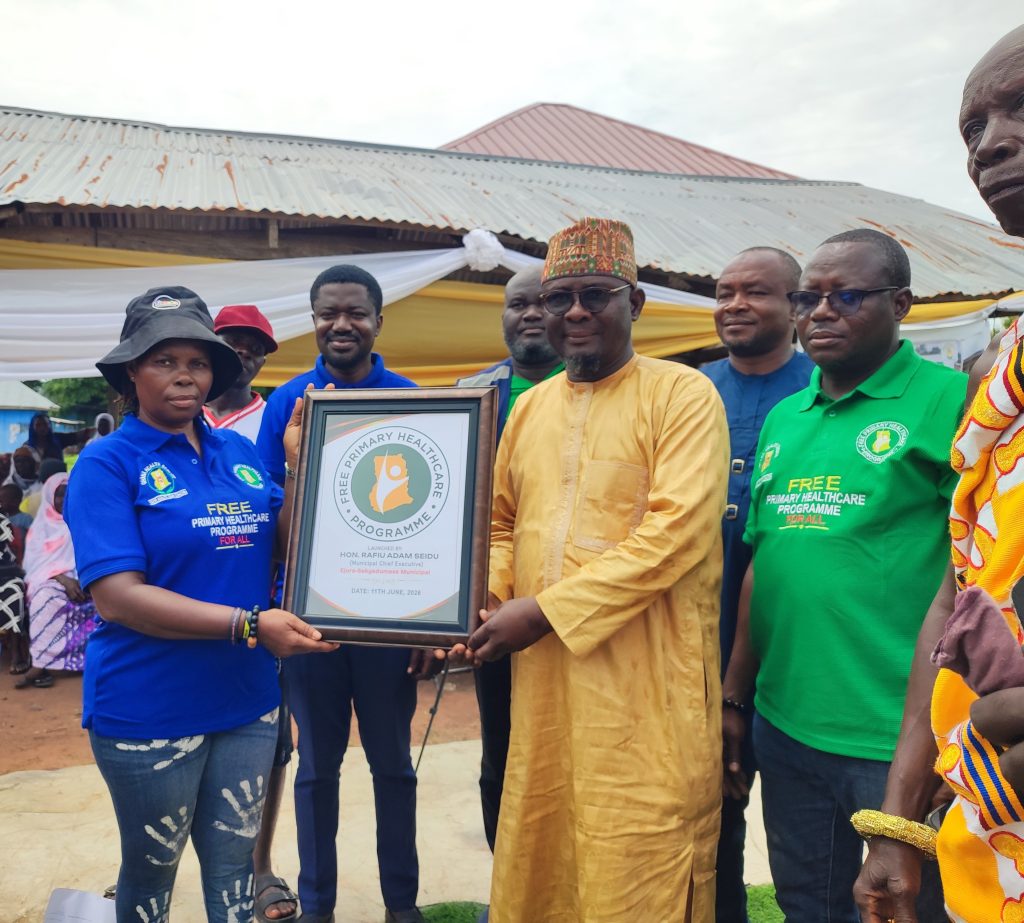
The presentation served as a gesture of appreciation for his leadership and commitment to advancing quality healthcare delivery in the Municipality.
A notable highlight was the introduction of a specially customised tricycle to support healthcare delivery in communities with difficult terrain and limited transport access.
The tricycle is designed to transport healthcare personnel and medical supplies to hard-to-reach areas and assist in conveying patients to nearby health facilities when necessary. Its compact, manoeuvrable design allows it to navigate narrow pathways inaccessible to conventional vehicles.
The intervention supports the programme’s focus on community-based healthcare, outreach and home visits. It is expected to strengthen healthcare outreach and help bridge geographical and transportation barriers to essential services.
As part of efforts to ensure that more residents benefit from the initiative, National Health Insurance Authority (NHIA) personnel facilitated the registration of eligible residents not yet enrolled in the National Health Insurance Scheme, in a bid to bring the service closer to the community.
Officials also educated participants, addressed misconceptions and clarified concerns about registration, membership and access to healthcare services. The exercise promoted wider NHIS coverage and reinforced its complementary role in providing access to healthcare beyond the primary level, while essential services under the Free Primary Healthcare Programme remain free.
Beyond the formal speeches and ceremonial activities, the launch also featured educational drama presentations by health workers, using practical scenarios to address misconceptions about family planning and maternal healthcare.
The family planning presentation highlighted common myths, available methods and the importance of informed reproductive choices for maternal health and family well-being.
Another presentation emphasised early antenatal registration, regular clinic visits and adherence to medical advice during pregnancy. It demonstrated how routine antenatal care helps monitor maternal and foetal health, detect complications early and ensure timely intervention.
These interactive presentations enhanced public understanding of key health issues while reinforcing the Programme’s focus on health education, prevention and early access to professional care.
The successful launch of the Free Primary Healthcare Programme at Hiawoanwu marks an important step towards strengthening primary healthcare delivery in the Ejura-Sekyedumase Municipality, with greater emphasis on prevention and early intervention.
Nationally, the Government has announced the procurement of 24,534 pieces of essential medical equipment, including diagnostic tools, beds, incubators and ultrasound machines, to strengthen primary healthcare facilities. Plans have also been announced to establish 350 additional health posts in densely populated communities to improve access to healthcare.
Effective implementation in the municipality will require sustained collaboration among the Municipal Assembly, Ghana Health Service, NHIA, Traditional Authorities, Community Leaders and residents. Residents are encouraged to utilise available screening and health education services, seek prompt medical attention and support healthcare personnel.
Ultimately, the Programme seeks to improve health outcomes, reduce healthcare inequalities and ensure that financial constraints do not prevent access to essential medical services. With continued institutional commitment and community participation, it can contribute to a healthier and more resilient Ejura-Sekyedumase Municipality.
0 Comments