

Construction of Anyinasu SDA Nursing Training College Facilities
 The development of quality healthcare systems begins with strong educational foundations. In line with this principle, the construction of modern facilities for the Anyinasu SDA Nursing Training College marks a significant milestone in advancing health education and human capital development in Ghana.
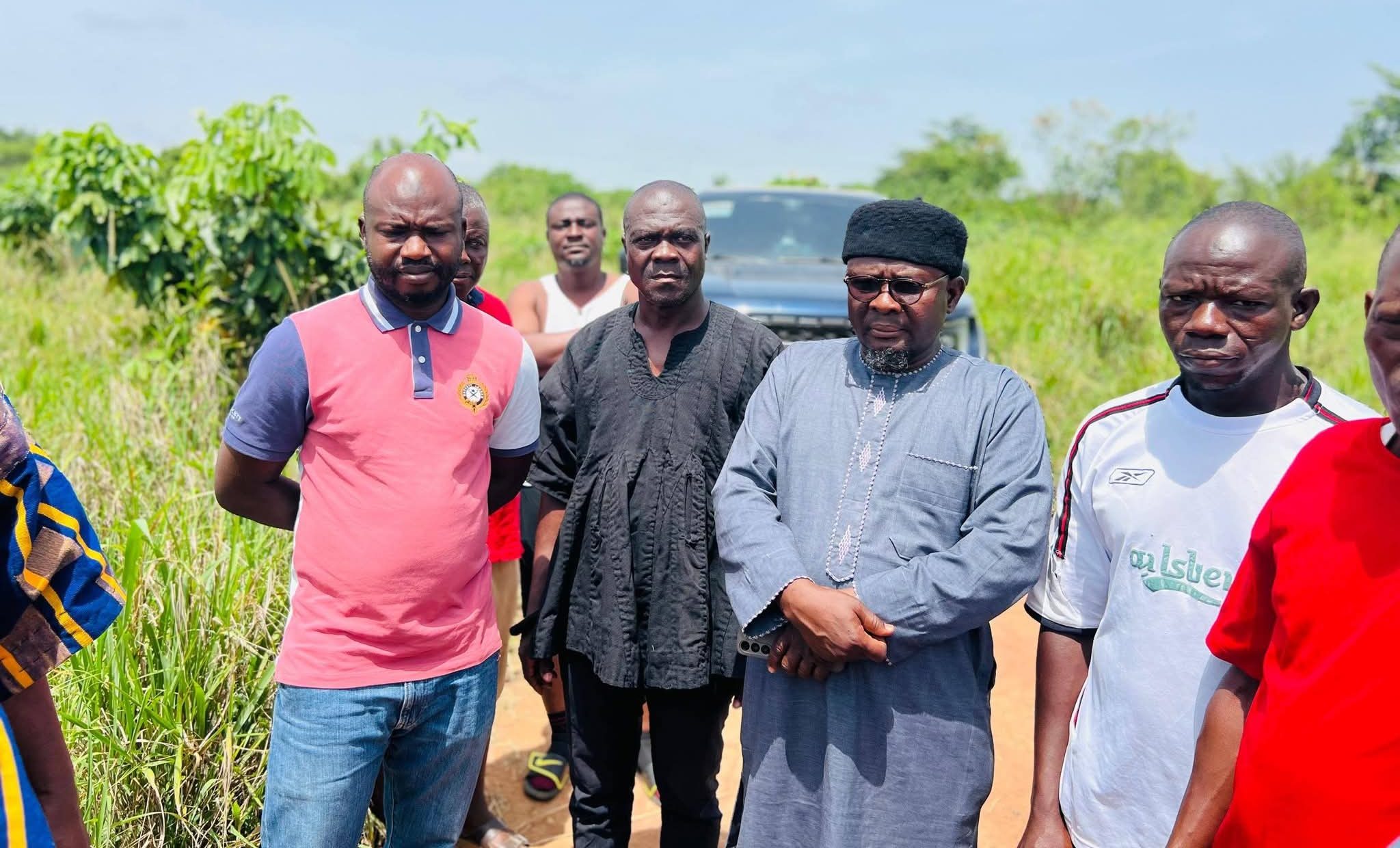
On the 13th of April 2026, a key step in this transformative project was undertaken. Together with his colleague and partner in local governance, the Municipal Chief Executive, Hon. Rafiu Adam Seidu, the Member of Parliament, Hon, Muhammad Bawah Braimah officially received the contractor responsible for executing the project. The visit was both symbolic and strategic, beginning with a courtesy call on the Anyinasu Traditional Council, an important gesture recognizing the role of traditional leadership in community development which was then followed by an inspection of the designated construction site.
The Anyinasu SDA Nursing Training College project is designed to provide state-of-the-art facilities that will significantly enhance both academic and practical training. The scope of the project includes:
- A fully furnished six-unit lecture hall with administrative offices
- A modern ICT laboratory equipped with contemporary technology
- A fully equipped skills laboratory for hands-on clinical training
- A six-unit WC toilet facility to improve sanitation and student welfare
These critical interventions were secured through sustained engagement and lobbying efforts with the Ghana Education Trust Fund (GETFund), demonstrating a proactive commitment to delivering tangible development outcomes.
The importance of these facilities cannot be overstated. They are expected to dramatically improve teaching and learning conditions, provide students with practical competencies essential for healthcare delivery, and strengthen the institution’s capacity to train competent health professionals. Furthermore, the expansion of infrastructure will increase enrollment capacity, promote academic excellence, and contribute meaningfully to addressing healthcare workforce needs both within the constituency and across the nation.
Delivering remarks during the visit, the Municipal Chief Executive, Hon. Rafiu Adam Seidu, emphasized the importance of collaboration in achieving development outcomes. He noted that the project reflects the government’s commitment to improving educational infrastructure and assured the community of effective oversight to ensure timely and quality completion of the facilities.
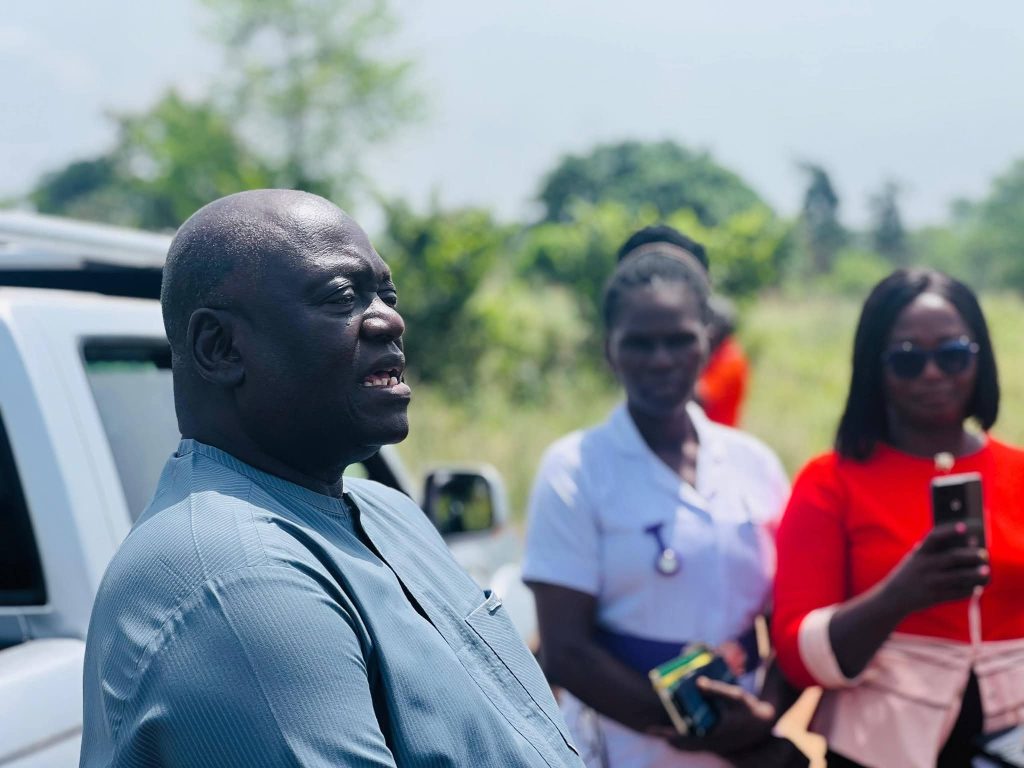
In his address, Muhammad Bawah Braimah reiterated his dedication to advancing education and healthcare within the constituency. He highlighted that the successful acquisition of the project through GETFund was the result of persistent engagement and advocacy, adding that the facilities will play a crucial role in shaping the next generation of healthcare professionals.
 On behalf of the traditional authority, the Chief of the Anyinasu Traditional Area, Nana Akwesi Awobaa II expressed profound appreciation for the initiative. He commended the government and project leaders for prioritizing the needs of the community and pledged the full support of the traditional council to ensure the smooth execution of the project. He further encouraged residents to take ownership of the initiative and safeguard the facilities upon completion.
The contractor assured stakeholders of their readiness to deliver the project according to specification, quality standards, and timelines. He emphasized the firm’s commitment to excellence, transparency, and adherence to best construction practices throughout the execution phase.
This project aligns closely with the broader development vision of John Dramani Mahama and his government’s agenda, which places strong emphasis on education, healthcare, and inclusive national development. Investments in educational infrastructure, particularly in specialized institutions such as nursing training colleges—reflect a strategic focus on building a skilled workforce capable of driving socio-economic transformation.
By prioritizing health education, the initiative supports national objectives of improving healthcare delivery, strengthening public institutions, and ensuring equitable access to quality services. It also reinforces the government’s commitment to bridging infrastructure gaps in underserved communities and fostering long-term sustainability through human capital development.
The successful initiation of this project has also benefited from the support and leadership of key stakeholders at the regional level. Special recognition is extended to Hon. Dr. Frank Amoakohene, the Ashanti Regional Minister, whose dedication to regional development and institutional growth has contributed to creating an enabling environment for such impactful initiatives.
Ultimately, the construction of these facilities goes beyond bricks and mortar; it represents a meaningful investment in the future of healthcare, education, and national development. Through strong collaboration, purposeful leadership, and active community engagement, this project reflects a shared vision of progress and demonstrates what can be achieved when commitment is matched with action.
0 Comments